Tips for Your First Residential Solar Power System

Tips for Your First Residential Solar Power System

A bird’s eye view of a new solar installation on two sides of a large roof.

Choosing solar for the first time can feel like a major leap. Most homeowners are not just buying panels. They are making a long-term decision about utility costs, energy independence, home value, and how their property will function during outages. That is why the best solar projects start with planning, not pressure.

For homeowners researching residential solar power systems in Sonoma County, the most important step is understanding how the home uses electricity today, how that usage may change in the future, and whether the property is a good fit for solar and battery storage.


Key Takeaways


  • The best first solar decision starts with actual household energy use, not just panel count.
  • The strongest solar projects are built around the home’s long-term needs, including future EV charging, electrification plans, and roof readiness.
  • Total project cost depends on system size, roof condition, ground-mount options shading, electrical work, permits, and whether savings or back-up battery storage is included.
  • A home battery can provide backup power and help homeowners use more of their own solar energy instead of relying on the grid during expensive evening hours as well as limit how much of your excess solar is being sent back to the grid for low value.
  • Solar panels are low-maintenance, but regular monitoring, occasional cleaning, and service when production drops are still important.


Start With the Home’s Energy Needs


One of the biggest mistakes first-time buyers make is asking how many panels they need before reviewing how the home actually uses power.

A solar system should be designed around more than last month’s electric bill. A homeowner may be planning to add an EV charger, replace gas appliances, install air conditioning, or build an ADU. Those changes can affect system sizing in a big way.

A thoughtful solar consultation should account for:

  • The last 12 months of utility usage
  • Seasonal heating and cooling patterns
  • Daily usage patterns
  • Future electric vehicle charging
  • Planned appliance electrification
  • Any future electrical needs (pools, hot tubs, ADUs, etc.)
  • Backup power goals during outages

This matters because the right system is not always the cheapest one. It is the one that fits the property and the household’s future.


What Affects Solar Installation Cost?


For most homeowners, the first question is cost. The practical answer is that solar pricing depends on several factors, and panel count is only one of them.

System Size

Homes that use more electricity usually need larger systems. A larger system costs more overall, but it may also offset more utility power and improve long-term value with a shorter return on investment (ROI).

Roof Type and Roof Condition

Roof age and condition matter. If the roof is nearing the end of its life, it may make more sense to repair or replace it before installing solar. Roof shape, pitch, material, and access can also affect labor and installation complexity.

Shading and Sun Exposure

Trees, chimneys, nearby structures, and roof layout can all affect production. In some cases, a roof-mounted system works well. In others, a ground mount may be the better option.

Electrical Work

Some homes need electrical upgrades before solar can be installed cleanly and safely. That may include a main service panel upgrade, subpanel work, surge protection, or adjustments for battery integration.

Battery Storage

Adding a battery raises project cost, but it also improves savings and can supply backup power. For many homes, the battery conversation is no longer optional.

Permits, Engineering, and Utility Paperwork

A solar project includes more than equipment. It also includes plans, permits, inspections, utility applications, and final approval to operate. These steps are essential and should be part of the proposal process.

For homeowners comparing bids, the best question is not simply “What is the price?” It is “What is included, and how well does this design fit the home?”


Why a Cheap Quote Can Be Expensive Later


A low quote may look attractive at first, but solar is not a product that should be bought the same way someone shops for an appliance. Two systems with similar sizes can perform very differently depending on design quality, equipment choices, installer experience, and ongoing support.

A useful proposal should answer questions like these:

  • Does the design reflect current and future usage?
  • Has the roof been physically assessed?
  • Are battery options being evaluated honestly?
  • Who handles permits and utility paperwork?
  • What happens if the system needs service later?
  • Is labor support included beyond installation day?
  • What equipment is being installed and where?

For first-time buyers, value usually comes from good design, realistic numbers, and dependable support rather than the lowest headline price.


Should a Home Battery Be Included?


This is one of the most important questions in today’s market.

For California homes, a battery deserves serious consideration because solar export values are lower than many homeowners expect. Instead of sending excess daytime solar production back to the grid for limited value, a battery can store that energy for evening use when utility rates are higher and outside of solar hours.

When a Battery Makes Sense

A battery may be a strong choice when a homeowner wants:

  • Maximize return on investment (ROI)
  • Backup power during outages
  • More control over evening electricity use
  • Better use of daytime solar production
  • Less dependence on peak utility rates

In Sonoma County, outage resilience is often part of the decision. Some households want basic backup for refrigeration, lights, internet, and medical devices. Others want a larger system that can support more of the home automatically.

When a Battery Needs a Closer Look

A battery may need more careful analysis when:

  • The budget is limited
  • The household is mostly away during the day and already uses energy efficiently
  • Backup power is not a high priority
  • The homeowner wants to phase the project over time

Even then, it is still wise to discuss battery readiness during the initial design. Planning ahead can make a future upgrade easier.

What to Ask About Batteries

Homeowners should look beyond the simple questions of capacity and power. A battery decision should also include:

  • Whether the goal is savings, backup, or both
  • Whole-home backup versus must-have loads only
  • Installation location
  • Safety profile and chemistry
  • App controls and monitoring
  • Expansion options later
  • Service and manufacturer support

A good installer should help homeowners match the battery strategy to the home instead of pushing a one-size-fits-all solution.


What the Installation Process Usually Looks Like


Solar becomes much less intimidating when homeowners know what to expect.

A typical project usually includes:

Consultation and Usage Review

The process begins with questions about utility usage, the home, and the household’s goals.

Site Visit

A real site visit is important. The roof, shading, electrical system, equipment locations, and access all need to be reviewed in person.

Proposal and Design

The proposal should explain system size, estimated production, battery options, and the logic behind the design.

Permits and Utility Applications

After approval, the project moves into formal planning, permitting, and utility interconnection paperwork.

Installation

The physical install may only take a few days for a straightforward project, though more complex jobs can take longer.

Inspection and Approval

After local inspection and utility signoff, the system receives permission to operate and can be turned on.

Monitoring and Handover

The homeowner should receive documentation, app access, and guidance on how to understand the system.

For first-time buyers, the quality of this process matters almost as much as the equipment itself.


How to Prepare Before Installation


A few practical steps can make a first solar project go much more smoothly.

Think About the Roof First

Solar should be installed on a roof that is ready for the long term. A roof with only a few years left will create avoidable future costs.

Plan for Future Electrical Loads

A household that expects to add an EV charger, heat pump, or electric water heater should talk about that early. Future loads can affect system sizing and battery design.

Discuss Equipment Placement

Inverters, batteries, disconnects, and panel work all need good locations. Placement affects appearance, code compliance, safety, and serviceability.

Ask About Electrical Upgrades

Solar sometimes works best when paired with broader electrical improvements such as surge protection, panel upgrades, or subpanel work.


Common First-Time Mistakes to Avoid


Homeowners considering residential solar power systems in Sonoma County can avoid many problems by steering clear of a few common mistakes.

Choosing Based Only on Price

The lowest bid may not reflect the best design, the best service, or the most durable value.

Ignoring Roof Age

Installing solar on a roof that will soon need replacement will create extra cost and disruption.

Designing Only for Current Usage

A system that ignores future electrification or EV charging can feel undersized sooner than expected.

Skipping the Battery Conversation

Even if a battery is not installed right away, it should still be part of the initial planning discussion.

Assuming Solar Needs No Attention

Monitoring, occasional cleaning, and periodic review are part of good system ownership.


FAQ

How much do residential solar power systems in Sonoma County usually cost?

Costs vary based on system size, roof condition, electrical work, shading, and whether battery storage is included. The most useful quote is one that explains what is included and why the system is sized the way it is.

Is a battery necessary for a first solar installation?

Not always, but usually homeowners should evaluate one seriously. A battery can help with outage backup, evening energy use, and reducing reliance on expensive utility power and the low value of sending excess solar to the grid.

How often do solar panels need maintenance?

Most systems need very little hands-on maintenance, but homeowners should monitor performance, keep panels reasonably clean, and schedule service if output drops unexpectedly.

Ready to Start a Smarter Solar Project?

A first solar installation should leave a homeowner with more than lower utility bills. It should provide a system that fits the property, supports future energy needs, and makes day-to-day power use more predictable.

For homeowners considering residential solar power systems in Sonoma County, the next step is a site-specific plan based on real usage, roof condition, battery goals, and long-term value.

Request a custom quote from Synergy Solar to evaluate solar, battery storage, and the right system design for the home.

Reach out to our professional team today!

📞 Call Synergy Solar: (707) 244-7300
🌐 Contact Us Online

Do I Need to Get a Home Battery If I Install Solar Panels?

Do I Need to Get a Home Battery If I Install Solar Panels?

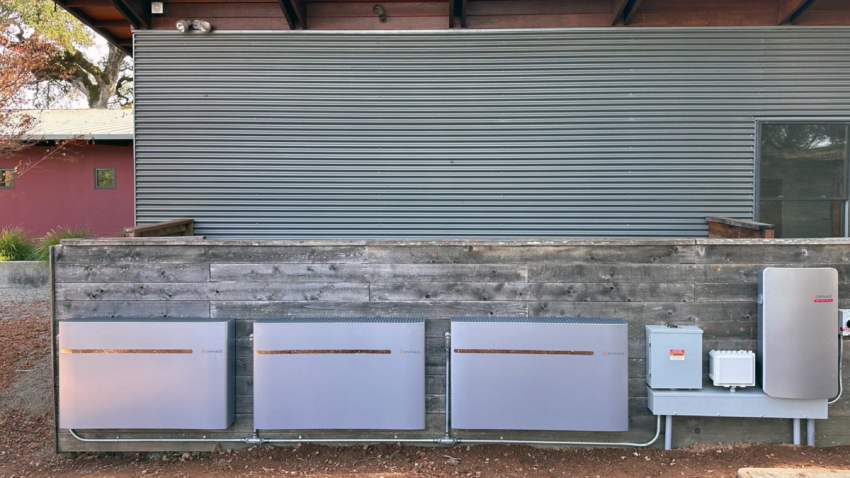
A large home backup battery installed on the exterior wall of a home.

A lot of homeowners start with the same question: if solar panels are going on the roof, does a battery need to come with them?

The honest answer is no, not always. But in most cases for new installations, a battery ends up being a necessary part of the whole setup.

Solar panels make power during the day. A battery gives that extra power somewhere to go. Instead of sending all of it away or only using solar when the sun is out, the home can hold onto some of that energy and use it later. That is the big reason solar battery installation keeps coming up in so many conversations.

For some households, a battery is mostly about backup power. For others, it is about getting more value out of solar. For a lot of people, it is both.

Why Are So Many People Asking About Solar Batteries?

Because the question has shifted.

A few years ago, most homeowners were mainly asking how many solar panels they needed and how much money solar might save. Those questions still matter. But now a lot more people are also asking what happens at night, what happens when the grid goes down, and how to rely less on the utility company.

That is where batteries come in.

A battery makes solar feel more flexible. It lets the home use stored solar energy after sunset, reducing how much energy you need to purchase from the utility. It can also help during blackouts or planned shutoffs. In places where outages are a real concern, that changes the conversation fast.

Does Every Solar System Need a Battery?

In most cases under the current Net Billing Tariff agreement with the utility, a battery is needed to maximize bill offset, lowering utility costs. Now that the utility does not credit you well to export your excess solar to the grid, a battery helps a lot with the return on your investment.

Not every household needs backup power but a battery becomes much easier to justify when the homeowner wants more than basic daytime solar production. If the goal includes backup power, more energy independence, or better use of solar after dark, then a battery starts looking a lot less optional.

So the better question is “What does this home need solar to do?”

What is The Difference Between a Savings Battery and a Backup Battery?

This is one of the most important parts of any solar battery installation conversation.

A savings battery is mostly there to store extra solar power and use it later, usually when electricity from the grid costs more or when the sun is down. The savings battery will not provide backup power when the grid is down.

A backup battery can function as a savings battery but is also about resilience. It is designed to keep important parts of the house running during an outage. That might mean the refrigerator, a well pump for water, some lights, internet equipment, garage access, or a few outlets.

Some homeowners want both better day-to-day energy use and peace of mind when the power goes out.

Will One Battery Run the Whole House?

Sometimes, but not automatically.

This is where expectations matter a lot. A battery can absolutely keep parts of a home running, but whole-home backup depends on how much electricity the house uses and how much battery storage is installed.

A smaller setup may cover the essentials. A larger setup may support much more. Big loads like central air conditioning, electric heating, dryers, ovens, or pool equipment can burn through stored energy fast.

That is why installers usually talk about “must have” loads first. It is a much more useful conversation. Instead of trying to power everything, many homeowners choose to keep the most important things on and keep the system realistic.

Can a Battery Be Added Later?

Yes, a battery can be added to an existing solar system.

Let’s face it, things change. Synergy is always available to assist with your changing energy needs.

Some homeowners install solar panels first and wait on storage. Then, later on, the priorities change. Maybe outage concerns go up. Maybe utility rates change.

So while adding storage later can work well, it is still something that should be looked at carefully rather than treated like a quick add-on.

What Does the Installation Process Actually Involve?

Usually more than people expect.

A proper solar battery installation is not just hanging a battery on the wall and calling it done. There is usually a site visit, system design, electrical review, system design, permitting, installation, inspection, and final testing.

Placement matters too. The battery has to go in a spot that works for safety, code, access, and future service. Synergy will also explain how the system works and how monitoring works, because batteries are not something homeowners should be left guessing about.

Is Getting a Home Backup Battery Worth It?

For a lot of homeowners, yes.

If the goal is more control, better backup, and a solar system that keeps working harder after the sun goes down, a battery can be a very smart move. That is why a professional assessment matters. The best answer depends on the home, the electrical setup, the agreement with the utility and what the homeowner actually wants from solar.

Find Out If a Battery Makes Sense for the Home

Homeowners who are thinking about solar battery installation do not need a one-size-fits-all answer. Synergy Solar can help evaluate the home, the current electrical setup, and the household’s energy goals to figure out whether battery storage is the right move now, later, or not at all.

Reach out to our professional team today!

📞 Call Synergy Solar: (707) 244-7300

🌐 Contact Us Online

How Much Does a Residential Solar Installation Usually Cost?

Rooftop Solar Panels Installation

In general, getting roof mounted solar panels without batteries costs anywhere from $10,000 to $25,000 before incentives in California. But the number you pay will depend on the home, the roof, and the household’s energy needs. That wide range can feel frustrating, but it also reflects something important: solar pricing is not one-size-fits-all.

For homeowners trying to budget on their residential solar installation, the best approach is to understand the main cost drivers first. Once those pieces are clear, the estimate starts to make a lot more sense.

Solar Installation Costs: At-A-Glance

For many homes, a residential solar installation costs:

  • Around $15,000 to $25,000 before incentives for a typical solar-only setup
  • More if battery storage is added
  • More if the roof is complex or electrical upgrades are needed
  • More for a ground mounted system or if trenching is needed
  • Less or more depending on system size and equipment choices

The final price should always be based on a site-specific assessment, not just an online calculator.

What Affects the Cost of a Solar Installation?

Several factors can move the cost up or down. Some are obvious, and others are easy to miss until the design process starts.

1. System Size

In simple terms:

  • Higher energy use usually means a larger system
  • Larger systems usually cost more overall
  • Larger systems may still offer better long-term value if they offset more utility costs

2. Roof Condition and Layout

The roof has a big impact on both design and labor. A simple roof with good sun exposure is easier to work with than one with multiple angles, dormers, vents, or heavy shading.

Roof-related cost factors often include:

  • Roof age and condition
  • Available space
  • Shading from trees or nearby structures
  • Roof pitch and complexity

Ground Mounted System Variables

  • Soil Conditions (rocky or softer)
  • Is any grading work needed
  • Layout of panels, all one array or broken into more than one
  • Distance of trenching and running wire

3. Equipment Choices

Not every solar system uses the same equipment. Panel type, inverter setup, monitoring tools, and battery storage can all change the price.

Common equipment decisions include:

  • Standard vs. premium solar panels
  • String inverter vs. microinverters
  • Solar-only vs. solar plus battery storage
  • A battery designed only to help offset bill cost or one to also provide back up power.
  • Basic system monitoring vs. more detailed module (panel) level monitoring

Battery storage adds major value and is needed to save money in most cases under the current agreement with most utility companies, but it also increases the upfront project cost. Synergy’s top-notch team will lay out recommendations for these choices

4. Electrical Work and Permitting

This is one of the most overlooked parts of solar pricing. Some homes need little extra work, while others need upgrades before installation can move forward.

Possible added costs can come from:

  • Main panel upgrades
  • Additional sub/backup panels
  • Wiring improvements
  • Added work such as the installation of an EV charger
  • Permitting and inspections
  • Utility interconnection requirements

These are often unexpected but real parts of building a safe, code-compliant system for your home.

A Fictional Case Study Example

Important note: This case study is meant to show how solar pricing can work in a realistic example. It is not a real customer project and not a quote.

Consider a homeowner in Sonoma County with the following conditions:

  • A 1,900-square-foot home
  • Annual electric usage of about 9,000 kWh
  • A roof in good condition
  • Good sun exposure with only light afternoon shading
  • No immediate need for a main panel upgrade
  • Interest in solar only, without battery storage for now

In this example, a system around 7 to 8 kW might be a reasonable fit.

Estimated Example Pricing

For this scenario, the homeowner might see something like:

  • Solar panels and core equipment: $14,000 to $18,000
  • Design, permitting, utility interconnection application and installation labor: $8,000 to $11,000
  • Monitoring and project setup: included or modestly priced depending on equipment
  • Estimated total before incentives: $22,000 to $29,000

These prices are subject to change under different conditions. For example, if this homeowner decides to add a battery, or if their home also needed electrical upgrades, the project cost could rise significantly. 

What Should Be Included in a Solar Quote?

A useful solar quote should do more than show one final number. It should explain what the homeowner is actually paying for.

A solid quote should clearly cover:

  • Recommended system size
  • Estimated energy production
  • Estimated savings
  • Location of system
  • Panel and inverter type
  • Whether battery storage is included and if it is designed to provide backup power in addition to bill savings
  • Roof or shading considerations
  • Any needed electrical upgrades
  • Permitting and inspection steps
  • Warranty and monitoring details
  • Recommended options or add-ons that the home owner might not know they need

The clearer the quote, the easier it is to compare options and avoid confusion later.

How Homeowners Can Budget More Accurately

Homeowners do not need to know every technical detail before starting. It is Synergy’s job to be available to answer any questions and we take that very seriously. But here are a few practical steps the home owner can do to make the process easier.

Helpful ways to prepare

  • Review the last 12 months of electric bills
  • Think about future energy needs, such as EV charging
  • Consider the roof’s age and condition
  • Decide whether backup power is important
  • Ask for a site-specific proposal instead of a rough online estimate
  • Read the Solar Consumer Protection Guide
  • Know that every solar contract (except new construction) is required to include a Solar Energy System Supporting Information document which describes costs and benefits

This helps turn a vague price range into a more realistic budget.

FAQ

Does adding a battery make solar much more expensive?

Yes. Battery storage can add significant cost, but it may also help homeowners get more value from stored energy and/or provide backup power.

Is a bigger solar system always better?

Not always. The best system size depends on energy usage, budget, available roof space, and future plans for the home.

Can online calculators give an exact price?

No. They can provide a rough starting point, but a true quote should be based on the property, roof, electrical setup, and household energy needs.

Is a warranty important?

Yes, while you may never need it, comparing the labor warranty coverage from the installer has value. Product warranties, generally speaking, are similar. Understand if the installer will warranty labor for replacing failed products, not just for workmanship issues.

Ready for a Clearer Solar Estimate?

Your home’s solar installation final costs depend on variables ranging from home energy use to equipment choices. Getting a realistic number means getting help from a company that comes out to your site for an assessment. 

If you’re ready to move from a rough estimate to a clear plan for your residential solar installation, Synergy Solar provides a tailored evaluation and quote based on your property, goals, and long-term energy needs.

Reach out to our professional team today!

📞 Call Synergy Solar: (707) 244-7300
🌐 Contact Us Online


How Do I Clean My Solar Panels? Maintenance Guide

How Do I Clean My Solar Panels? Maintenance Guide

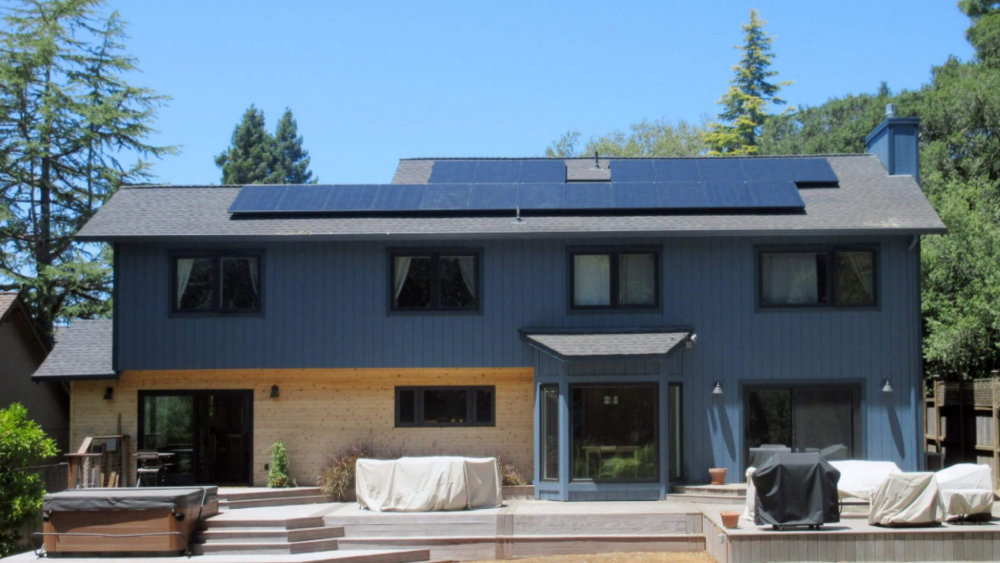
Residential rooftop solar panels as part of solar panel maintenance guide

Even though they’re built to withstand most natural wear and tear, your solar panels will still need a little TLC every so often.  In most cases, maintenance is simple: watch your system’s performance (if your system has a monitoring system), check for any visible damage, and clean the panels when needed.

If you’ve never handled solar panel maintenance before, we’ve put together the basics you should know about how to monitor, clean, and maintain your system.

TL;DR: Your Simple Solar Panel Maintenance Guide

For most homes, a straightforward routine works well:

  • Check the monitoring app regularly (if your system has one)
  • Inspect the array visually from the ground every few months
  • Clean the panels minimally, once in early spring or when buildup is visible or clearly affecting performance
  • Schedule professional service if output changes unexpectedly
  • Keep nearby trees trimmed to reduce shading

This kind of plan keeps maintenance manageable and helps protect long-term system performance.

Check This First! Without Getting on Your Roof

A good maintenance routine does not require special tools or roof access. Several useful checks can be done from the ground.

1. Review the monitoring app if your system has one

The monitoring app is usually the first sign that something has changed. A sudden production drop, an outage alert, or numbers that do not match seasonal expectations can all point to a problem.

2. Watch for new shading

Trees grow over time. A branch that was not a problem last year may now reduce sunlight during key production hours. Even partial shading can affect output.

3. Look for debris buildup

After storms or windy days, leaves and debris can collect near panel edges or roof valleys. That buildup can trap moisture and dirt, so it is worth checking periodically.

4. Watch for pest activity

Birds and small animals sometimes nest near or under solar equipment or wiring. Left alone, that can lead to equipment damage or safety concerns.

5. Compare system performance to expectations

If utility bills rise while household energy use stays fairly consistent, the solar system may need a closer look. A quick review of monitoring data can help confirm whether production has changed.

How Often Do I Need to Clean My Solar Panels?

While there isn’t a universal schedule for cleaning your solar panels. we typically recommend twice a year, once in spring so your panels are clean going into the high production time of the year and once in fall. A practical approach is to inspect the system visually from the ground a few times a year and check your monitoring app regularly. If production appears lower than expected and weather does not explain it, it could be time for cleaning or a professional inspection.

When You Need More Frequent Cleanings

  • Heavy agricultural dust or “dirt storms.”
  • Trees that drop sap, leaves, or pollen directly onto the array.
  • A local bird population that treats your panels like a lounge.
  • Recent wildfires (ash is a major performance killer).
  • Long droughts where there’s no rain to provide a free rinse.

Pro Tip: Don’t assume that the rain is washing the dust off your solar panels! Tough debris will stick through the rain and need to be cleaned off.

Best Practices for Solar Panel Cleaning

Safety should always come first.

The safest cleaning practices include:

  • Clean early in the morning or later in the evening when panels are cooler
  • Use clean water and a soft brush, sponge, or microfiber tool
  • Rinse gently before wiping away dirt
  • Avoid abrasive pads, metal tools, and harsh chemicals
  • Do not use high-pressure washing
  • Stop if the panels, wiring, or mounting hardware appear damaged

Pro Tip: Don’t put cold water on hot panels, don’t use aggressive scrubbing tools or pressure washers! Be gentle to your solar panel system.

When Should I Get Professional Solar Panel Maintenance?

Some situations call for professional support from the start.

A qualified technician should inspect the system when:

Cleaning Mistakes That Could Ruin Your Solar Panels

Many solar maintenance problems come from using the wrong methods or waiting too long to respond to a change in performance.

  • Walking on the panels
  • Using abrasive scrubbers or metal tools
  • Applying soaps or chemicals that can leave residue
  • Ignoring a sudden production drop
  • Assuming rain handles every cleaning need
  • Treating maintenance as only a cleaning task

The goal is not to clean as often as possible. The goal is to protect output, avoid damage, and catch issues early.

FAQ

Check out our primary FAQ page if you have more questions.

Does every solar system need professional service every year?

Not always. Some systems only need light cleaning and routine monitoring. Professional service becomes more important when roof access is unsafe, performance changes suddenly, or equipment concerns are visible.

Can rain clean solar panels?

Rain can remove loose dust, but it often does not remove stuck-on grime, pollen, ash, or bird droppings.

How can homeowners tell when panels need attention?

The monitoring app is often the first clue. A noticeable drop in production, unusual alerts, or visible buildup can all point to a maintenance need.

Get Your Solar System Checked by Synergy Solar!

Does your home’s solar need a checkup?

Synergy Solar provides local solar expertise, monitoring support, and performance evaluations to help determine whether a system needs cleaning, troubleshooting, or a broader maintenance plan.

Reach out to our professional team today!

📞 Call Synergy Solar: (707) 244-7300

🌐 Contact Us Online

How to Download Your PG&E Electrical Usage Data (And Why It Matters)

If you’re exploring a solar and battery system for your home, one of the most helpful things you can provide us is your PG&E electrical usage data. This information shows your real energy consumption patterns hour by hour and day by day so we can design a system that’s sized correctly, maximizes savings, and matches your lifestyle.

To make the process simple, we’ve created a short walkthrough video that shows exactly how to download your usage data from PG&E.

👉 Watch the video here: https://youtu.be/ln8tdKy7rnc

Why This Data Is Important

Every household uses energy a little differently. Some see spikes in the afternoon from AC, others use more energy in the evening, and some have steady usage all day. Your actual data allows us to:

  • Right-size your solar system (not too big, not too small)
  • Determine the ideal battery size for backup power or time-of-use savings
  • Accurately estimate your annual bill savings
  • Create a proposal that’s tailored to you, not a generic guess

In short, the more accurate the data, the more accurate your proposal.

Let Us Know About Any Recent or Planned Home Modifications

While your past 12 months of usage tells us a lot, some changes around the home can significantly affect future energy consumption. If you have made any of the following changes in the past year OR if you are planning to make changes, please let us know so we can design your system accordingly:

  • Switching from gas to electric appliances (e.g., electric stove, heat pump, electric water heater)
  • Adding major amenities like a hot tub, pool, or well
  • Purchasing or planning to purchase an electric vehicle (EV)
  • Adding refrigeration, freezers, air conditioning or upgrading HVAC systems
  • Expanding your home or adding an ADU
  • Any other upgrades that might increase electricity use

These details help us size your solar and battery system not just for today, but for your future energy needs, ensuring better performance and long term savings.

Ready to Get Started?

The whole process to download your PG&E data usually takes less than five minutes. Click the link to watch the tutorial, download your data, and send it over when you’re ready. If you run into any issues or have questions, we’re always here to help!