Are Solar Panels Still Effective in Winter?

Are Solar Panels Still Effective in Winter?

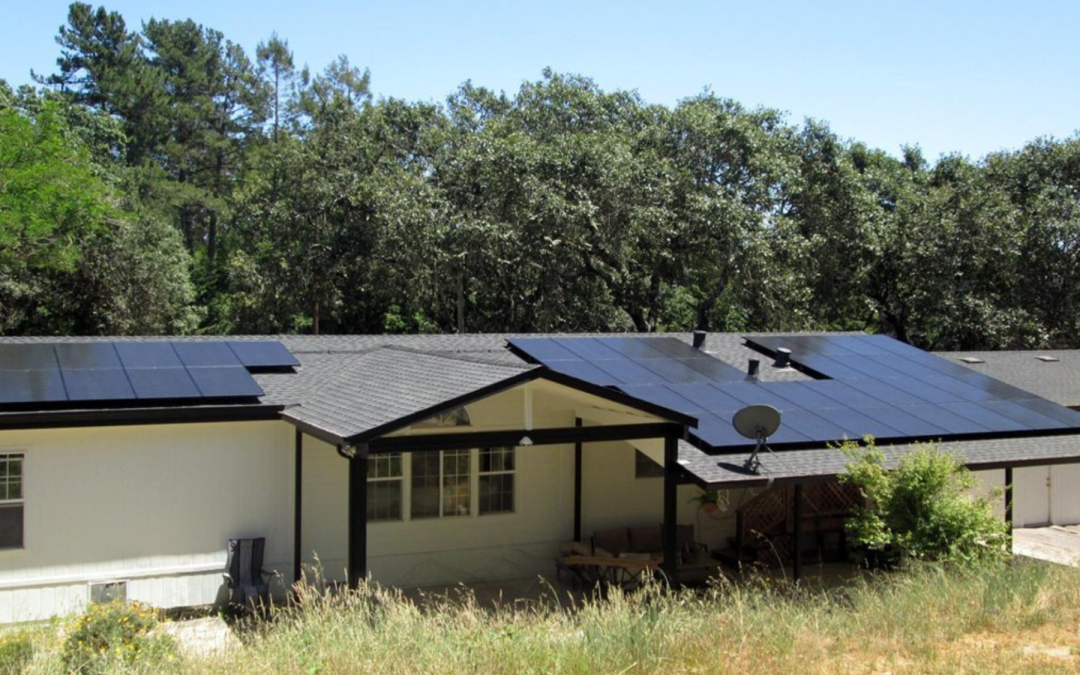
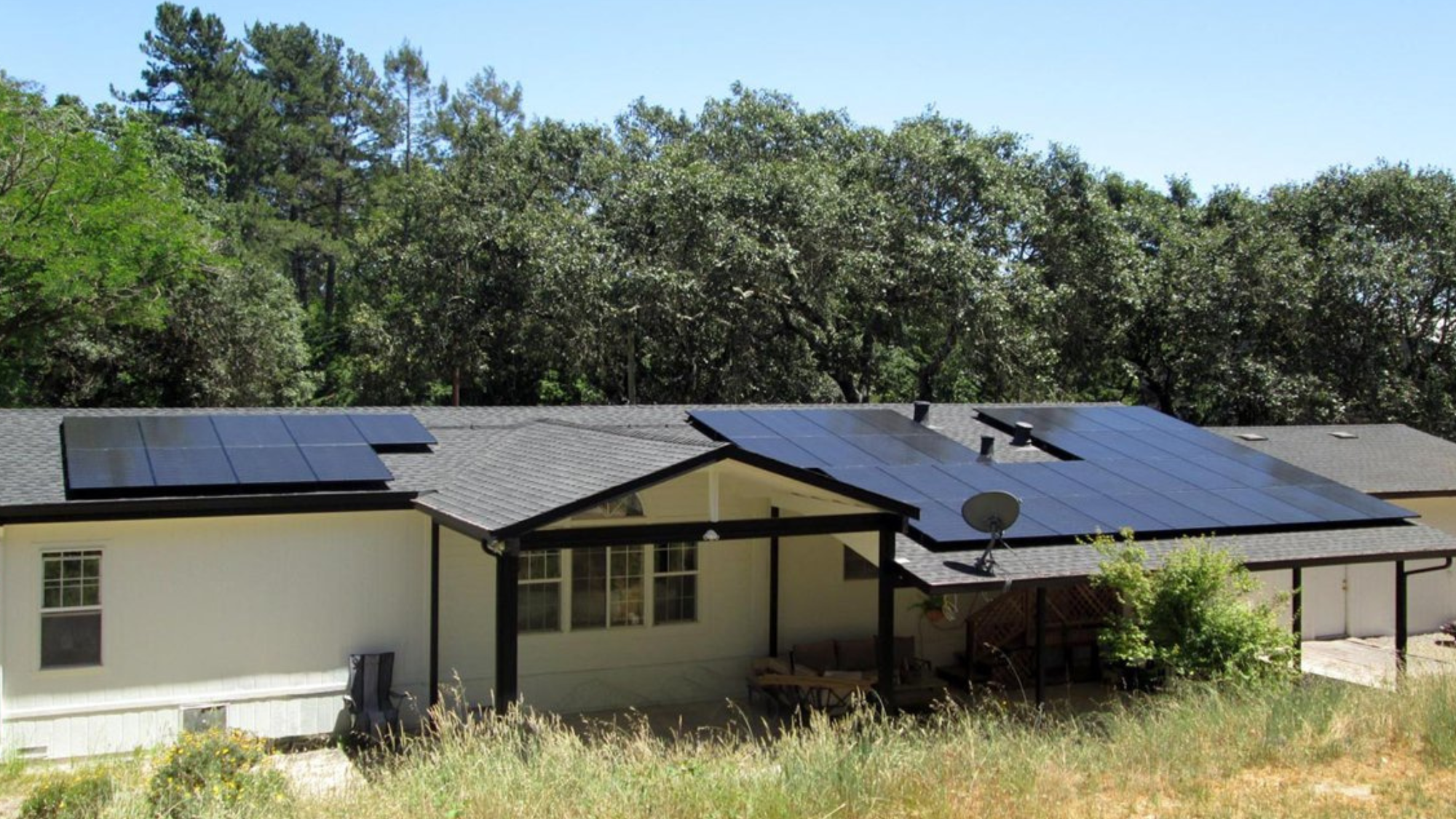
A white home with black trim with solar panels installed on the roof near oak trees.

If you’re a Sonoma County homeowner watching the seasons shift, you might be wondering whether your solar panels are still pulling their weight now that the sun isn’t blasting down the way it did in July. 

Here’s the short answer: Yes, solar panels still work in winter, and in some ways they work harder than you’d think. Cold air actually helps photovoltaic cells perform, even though shorter days and more clouds mean your system produces less total energy than it does in summer. A well-designed residential solar installation in Santa Rosa accounts for that swing from the start, so your system keeps earning its place on your roof all year long. 

For a comprehensive breakdown of how winter weather and rain affect your system’s solar generation, keep reading. 

Key Takeaways

    • Solar panels don’t need heat to work. They need light, and cooler temperatures actually improve how efficiently each panel converts that light into electricity. 
    • Winter production dips mainly because of shorter days and more cloud cover, not because the panels themselves stop working. 
    • Sonoma County’s mild, low-snow winters mean local systems keep producing through the rainy season. 
    • A system sized around your full year of usage data, not just your sunniest months, already has winter built into the math. 
    • Pairing solar with battery storage matters more in winter, when storms are more likely to knock out grid power. 
    • Local design experience, not just national averages, is what makes a residential solar installation in Santa Rosa perform the way it’s supposed to. 

What Affects Panel Performance in Winter?

Cooler Temperatures Help, Not Hurt

Solar panels are heat-sensitive in the opposite direction most people expect. As panels heat up on a scorching summer afternoon, their electrical output drops. Cooler winter air keeps panels running closer to their rated efficiency, so on a clear, cold day, panels can convert sunlight into electricity more effectively than they do in August heat. 

Local Note: Sonoma County’s mild winters work in your favor here. You get the efficiency benefit of cooler air without the deep freezes or heavy snowfall that create problems in much colder climates. 

Shorter Days Mean Fewer Sun Hours 

This is the real driver behind lower winter output. Fewer daylight hours means fewer hours of production, regardless of how efficient each panel is. Even though a cool spring morning that pairs a cooler temperature with bright sun can produce the most energy, the system will produce less overall in spring than in summer because there are more daylight hours in summer. 

Rain and Cloud Cover 

Cloudy days reduce direct sunlight, which lowers production, though diffused light still generates some power. Rain isn’t a problem for the equipment. Panels are built to handle wet weather, and a good rinse can clear off any dust that’s built up over the dry months. 

Winter Storms and Power Outages 

Winter storms are a common cause of unplanned outages in Sonoma County. This is where battery storage earns its keep. A home backup battery paired with your solar system keeps essential circuits running automatically during an outage, without the noise, fuel, maintenance, noxious fumes, or manual startup a generator requires. 

Residential Solar Installation in Santa Rosa: What to Expect This Winter 

Sonoma County isn’t one climate. Cloverdale sees different weather patterns than Bodega Bay, and Santa Rosa sits somewhere in between, which is why it’s helpful to work with local solar crews that know the area. 

    • Santa Rosa winters bring rain and cloud cover but very little snow, so production dips are gradual, not a hard shutoff. 
    • Roof angle and orientation affect how much of that lower winter sun your panels actually catch. 
    • Local permitting and inspection timelines can shift slightly during the rainy season. 

Why Synergy Solar Is the Right Partner This Winter 

Sizing a system that performs well in every season takes more than a generic formula. Synergy Solar designs around Sonoma County’s specific conditions, including its microclimates. 

    • Every proposal starts with an in-person site visit, not a satellite image or a phone estimate. 
    • Design, permitting, and electrical work are handled in-house under Synergy’s C46 and C10 licenses, with no subcontracting. 
    • Synergy continues monitoring your system after installation and flags any performance issues, seasonal or otherwise. 

Get Your System Ready Before the Rain Sets In 

Winter doesn’t slow solar down the way many homeowners assume, but it’s still a good season to make sure your system, or your plans for a new one, is ready for it. If you’re considering a residential solar installation in Santa Rosa, Synergy Solar is ready to help. 

Call Synergy Solar Today for Solar Installation Service!

📞 Call Synergy Solar: (707) 244-7300

🌐 Contact Us Online

Frequently Asked Questions

Do solar panels stop working when it's cold outside?

No. Panels need light, not heat, to generate electricity. Cold weather doesn’t stop production, and it can improve panel efficiency compared to hot summer days. 

How much less power do panels produce in winter?

It varies by home, roof angle, and shading, which is why Synergy sizes every system around a full year of your actual utility usage data and estimated solar production. 

Does rain damage solar panels?

No. Panels are built to handle wet weather, and rain can help by rinsing off dust that collects during the dry months. 

What about snow?

Sonoma County rarely sees snow accumulation heavy enough to affect solar production. When it happens, panels are typically angled enough that light snow clears on its own. 

Is winter a bad time to install solar?

Not necessarily. Permitting and inspection timelines can shift slightly during the rainy season, but installation can happen year-round with the right planning. 

Should I add a battery if I'm worried about winter storm outages?

It’s worth considering. A home backup battery keeps essential circuits running automatically during a storm-related outage, without the fuel or manual startup a generator needs. 

How do I know if my roof gets enough winter sun?

That’s what an in-person site visit is for. Synergy evaluates your roof’s angle, orientation, and any seasonal shading before recommending a system size. 

Should I Work with a Solar Consultant?

Should I Work with a Solar Consultant?

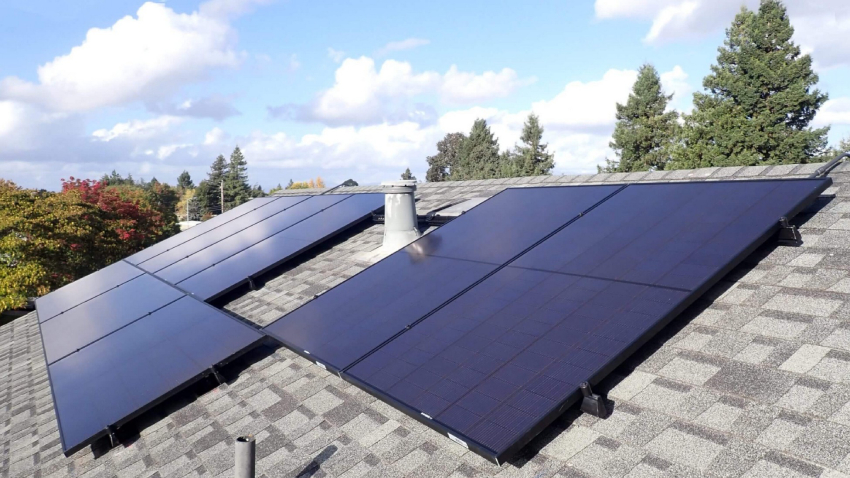
A grey asphalt tile roof with solar panels that reflect a bright blue sky with clouds.

Going solar in Sonoma County involves more decisions than most homeowners expect. Roof type, battery size, permits, utility rules, and how your power use will change over the next few years all factor in. Searching for solar consultants near me in Sonoma County is usually where it starts, and a good consultant walks you through each of those pieces before you spend a dollar. This guide covers what that process looks like, start to finish, and points to deeper reads on each step.

Key Takeaways

  • A local solar consultant designs around Sonoma County specifics: coastal fog versus inland heat, fire setbacks, HOA rules, and whether you’re on PG&E or Sonoma Clean Power.
  • The free in-person consultation is where system sizing, battery choice, and your real PG&E usage get worked out. No accurate quote comes from a satellite image or a phone call.
  • Good support continues after installation. Synergy monitors every system it installs and contacts you directly when there may be an issue.

Why Search for Solar Consultants in Sonoma County?

Solar production changes across the county, and so do the rules. A consultant who works here every day designs for both, rather than applying a template built somewhere else.

Local Conditions That Shape Your System

  • Microclimate: Cloverdale runs hot and clear most of the summer. Bodega Bay sits under coastal fog that can hold off until midday. The same panels produce different amounts depending on where you live.
  • Fire access setbacks: local rules dictate where panels can and can’t go on your roof.
  • HOA requirements: some communities, like Oakmont, have their own solar quirks.
  • Permit jurisdictions: the county has several, each with its own building department and timeline.
  • Your utility: PG&E and Sonoma Clean Power treat solar customers differently on rates.

Why a Local Track Record Matters

Knowing the local inspectors and permit officials keeps a project moving. Synergy has earned that familiarity over 24+ years here:

  • Installing solar in Sonoma County since the 1990s.
  • Helped establish Sonoma Clean Power through its founding task force.
  • Worked with local fire jurisdictions on roof access guidelines.
  • Contributed to the solar curriculum at Santa Rosa Junior College.

A national installer can leave the market or hand your warranty to a third party. Synergy’s two-owner model brings in a younger partner as one owner steps back, so the company stays small, locally owned, and reachable for the life of your system.

What a Good Consultation Covers

A real consultation starts with a visit to your home. Synergy doesn’t give phone quotes or satellite-image bids, because an accurate design depends on seeing your roof and your electrical panel in person.

Here’s what the in-person visit looks at:

  • Roof condition and layout: vents, shape, structural integrity, and fire setbacks.
  • Your main electrical panel: whether it can support solar, a battery, and any new loads.
  • Battery placement: where a unit would fit, taking into consideration the applicable codes.
  • Your real usage: Synergy asks you to download your PG&E Green Button data, ideally 12 months of both monthly and hourly readings, so the system gets sized to how you actually use power.

Owner Mike Pane personally contacts every new customer to talk through your goals and your usage history before the visit is even scheduled. If solar doesn’t make financial sense for your property, Synergy will tell you that upfront. The consultation is free either way.

What Your Proposal Includes

  • System size and layout based on your roof and your real usage.
  • A financial breakdown that applies the federal Investment Tax Credit and the Sonoma County Energy Independence Program where they fit.
  • An ROI tied to your actual PG&E bills.
  • Battery options sized to your goals.

Synergy isn’t a lender, but the team tracks the changing incentive landscape and can point you to financing. For the full play-by-play of what happens between signing and switch-on, check out our guide on how home solar installation works.

Building a new home? Synergy designs systems from construction plans, working from the home’s specs and can estimate your usage based off the appliances, expected electric vehicle charging and other features of your home. Starting at the design stage often makes the wiring and panel placement cleaner than a retrofit.

The Path from Call to Power-On

  1. You call, and Synergy requests your PG&E usage data.
  2. Mike Pane discusses your needs and schedules a free site visit.
  3. You receive a detailed proposal with a financial justification.
  4. Synergy handles all permits, drawings, and the PG&E interconnection in-house.
  5. Installation runs 1 to 2 days for most homes, up to 1 to 2 weeks for larger projects.
  6. Inspectors sign off, and the utility grants Permission to Operate.

You don’t manage the paperwork. Because Synergy holds both a C46 Solar Contractor license and a C10 Electrical license, every part of that process happens in-house with no subcontractors.

Sizing a System to How Your Home Actually Uses Power

A system disappoints most often when it was sized only for last year’s bills and then a big new load shows up. Good solar consulting designs around the loads you plan to add, so the system fits the home you’re growing into.

Synergy sizes each system from your actual PG&E data plus any big additions on your radar. The most common ones:

  • EV chargers. An electric vehicle is one of the largest loads you can add to a home. Synergy installs Level 2 chargers and, with its C10 license, handles the wiring and any panel work from start to finish.
  • Heat pumps. These run on electricity for both heating and cooling, and they draw hardest during a heat wave or a cold snap. Solar can cover that daytime load, and a battery keeps the system running during an outage.
  • Pools and spas. Pool pumps run for hours, mostly during daylight, which pairs well with solar production. Running the pump at midday draws straight from your panels.
  • Major electric appliances. Induction cooktops, electric dryers, ovens, and heat pump water heaters each add to your daily load as homes move off gas.

Heads up: some homes need a main panel upgrade before they can take an EV charger or a new electric appliance. A consultant catches that during the site visit so it’s in the plan, not a surprise later.

A battery is what lets stored solar run these big loads after the sun goes down. Sizing the array, the battery, and the panel together is how a home runs on its own power around the clock rather than only during peak daylight. Synergy designs for the home you’ll have in 5 years, and many battery systems are modular, so you can add capacity as your loads grow. For a closer look at what solar can power at once, check out our breakdown of how solar handles your home’s major energy needs.

Choosing the Right Battery for Your Home

Under today’s Net Billing Tariff, the credit you get for exporting solar back to the grid is low. That math, combined with PG&E Public Safety Power Shutoffs that regularly last multiple days in Sonoma County, is why Synergy rarely recommends installing solar without a battery.

A battery does one of two jobs, sometimes both:

  • Savings: it stores daytime solar so you use your own power at night and during expensive peak-rate hours, instead of buying from the grid.
  • Backup: it powers selected circuits or your whole home automatically when the grid goes down. No manual startup, no fuel, no noise, and no maintenance.

The three systems homeowners compare most often:

  • Enphase IQ Battery 10C: stores 10.0 kWh and scales modularly, so you can size to your budget now and add capacity later. Uses Enphase’s leading microinverter technology for maximum reliability. Synergy is a Platinum Enphase Installer.
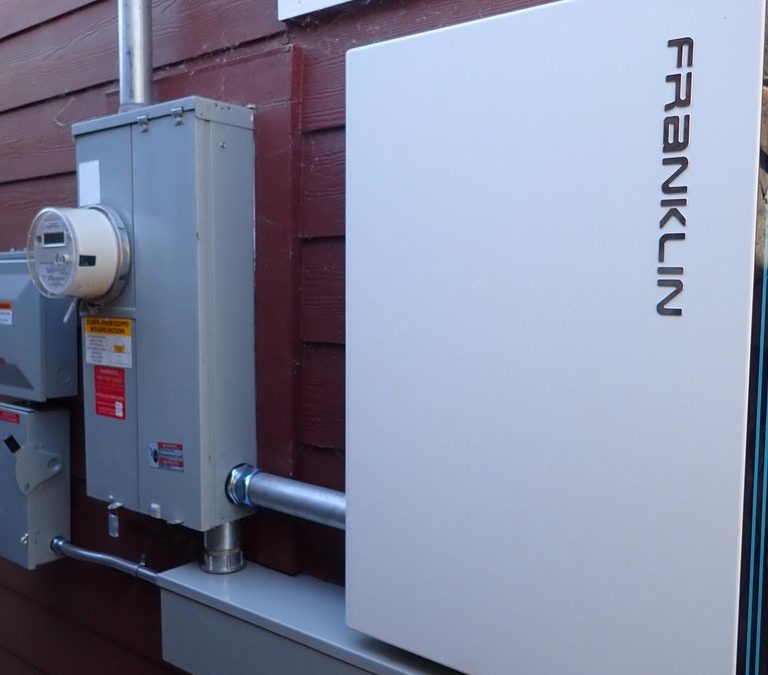
  • FranklinWH aPower S: stores 15.0 kWh in a single unite with a built-in hybrid solar inverter and options for automatic control of larger loads during an outage and integration of a gas or propane generator to help during long outages in times of low solar production. Synergy is a certified Franklin installer.
  • Tesla Powerwall 3: stores 13.5 kWh in a single unit with a built-in inverter, enough to run most California homes normally during an outage. Synergy is a T3 Tesla Energy Certified Installer.

Synergy also installs FranklinWH, which is headquartered in San Jose.

How Synergy Picks a Battery

The team doesn’t default to the newest model on the market. It weighs:

  • Safety, only installing lithium Iron Phosphate chemistry, known for a strong safety profile and lower fire risk.
  • Manufacturer Commitment to the solar and storage industry which results in long term support of the installer and ultimately homeowner customer service
  • Availability and realistic lead times.
  • Installation practicality under local rules.
  • Long-term reliability, with a preference for American-made products when feasible.

For rural homes or heavy critical loads, a generator can supplement a battery during extended outages, and Synergy installs and integrates both.

The right battery depends on your home’s load, your existing solar equipment, and how much of your house you need backed up. Adding a battery to an existing system does not change your Net Energy Metering status, which protects the higher export rates that older systems earn. For a full head-to-head on specs and fit, look at our comparison of the Tesla Powerwall vs the Enphase IQ.

Living With Your System: Monitoring and Maintenance

A solar system runs quietly for decades, but it still needs a set of eyes on it. Every install comes with a monitoring app, whether that’s Enphase, FranklinWH, or Tesla, and Synergy walks you through it so you can read your own production and consumption.

Solar panel monitoring gives you a real-time window into how the system is doing. A weekly glance is enough for most homeowners. A few things worth watching:

  • A full day of zero production outside of heavy rain or overcast skies.
  • A device that consistently shows offline. One offline microinverter means that one panel is producing nothing, and weeks of that adds up.
  • Output noticeably lower than the same stretch last year.

Why Production Sometimes Drops

Not every drop means something is broken:

  • Seasonal change: output naturally falls in fall and winter as the days shorten.
  • Wildfire smoke: smoke scatters sunlight before it reaches the panels, and ash on the glass makes it worse. This is the Sonoma County factor most homeowners underestimate.
  • Soiling: dust, pollen, and bird droppings build up over time and block light.

After a heavy smoke event, check your panels and schedule a cleaning if you see residue. Panel cleaning is typically recommended once a year, sooner after heavy ash.

What to Do About an Alert

  • Restart your router first. Many alerts are just a lost internet connection, not a hardware failure.
  • If the alert returns, or multiple devices show offline, contact your installer instead of troubleshooting hardware yourself. Synergy’s office team knows the major monitoring platforms and can help you read the app.
  • If you’ve ignored alerts for a while, a performance evaluation tells you whether a real issue has been costing you production or it’s normal seasonal variation. The sooner a dead microinverter or a shading problem gets caught, the less you lose.

Synergy does solar system monitoring on every system it installs and reaches out directly when something looks off, so you’re not the only one watching. That ongoing solar monitoring comes standard with every install. For the full set of maintenance questions homeowners ask, read our blog on maintaining your home’s solar panel system.

What Makes a Local Consultant Worth Choosing

Plenty of companies can bolt panels to a roof. The difference shows up in the years after the install, when you want the same people to answer the phone.

A few things to weigh when you compare solar consultants in Sonoma County:

  • Years in business. Synergy has installed solar here since the 1990s and added battery storage in 2013, which means it has serviced systems through real outages and rate changes.
  • Who does the work. Owners Mike Pane and Justin Hiner are personally involved in every project, from the first call through installation and ongoing support. All work is done in-house, with no subcontractors.
  • Licensing and credentials. Synergy holds CSLB License #913951, with both C46 Solar and C10 Electrical licenses. The dual license is why the team can handle every electrical detail itself.
  • Standing in the field. Synergy is a California Solar and Storage Association sponsor and a former North Bay chapter chairperson.
  • Warranty and support. The standard labor warranty runs 10 years, extendable up to 25 to match the manufacturers’ equipment coverage.

Synergy can also evaluate a system another company installed, which matters if your original installer is out of business or stopped responding. The team can check performance, add a battery, expand the array, or take over monitoring of the system.

After Install Day

  • Documentation and labeling: you get a full documentation package and clearly labeled components, which helps you and any first responder find a shutoff.
  • Ongoing monitoring with direct follow-up when something looks off.
  • Annual cleaning reminders, typically once a year.
  • A team that stays reachable when your needs change.

That ongoing contact is the part many homeowners value most once the panels are up.

What to Do Next

  1. Pull your usage data.
    • Download your PG&E (or Sonoma Clean Power) Green Button data.
    • Aim for 12 months of hourly readings so the design reflects a full year.
  2. List your upcoming changes.
    • Note any EV, heat pump, home addition, or pool you’re planning, so the system gets sized for them now.
  3. Book a free in-person consultation.
    • Have your recent bills and questions about any existing system ready.

Safety note: If your monitoring app shows an electrical fault, or a panel that won’t reset after a router restart, contact a licensed installer. Don’t open electrical panels or work on battery wiring yourself.

Talk to a Local Solar Consultant in Sonoma County

You don’t have to sort out sizing, batteries, permits, and monitoring on your own. Synergy Solar gives you a free in-person evaluation, an honest read on whether solar fits your property, and the same owners on the project years after the panels go up. When you’re ready to talk it through, the team is happy to answer questions with no pressure.

Reach out to our professional team today!

📞 Call Synergy Solar: (707) 244-7300

🌐 Contact Us Online

Frequently Asked Questions

What Does a Solar Consultation Cost in Sonoma County?

Nothing. Synergy’s consultations are free and done in person. The visit includes a roof inspection, an electrical panel review, and a discussion of your current and future energy needs, followed by a written proposal with a financial breakdown. If solar isn’t a good fit for your property, the team will tell you that at no charge.

Do I Really Need a Battery, or Can I Just Get Panels?

You can install panels alone, but under today’s low export rates, Synergy rarely recommends it. A battery lets you use your own solar at night and during peak-rate hours, and a backup battery keeps your home running during a PG&E outage. The right choice depends on whether you’re after savings, outage protection, or both, which is part of what the consultation works out.

How Do I Know if My Solar Panels Are Working Correctly?

Your monitoring app shows production and consumption in real time, and a quick weekly check is enough for most homeowners. Watch for a full day of zero production, a device that stays offline, or output well below the same period last year. Synergy also monitors every system it installs and contacts you when something looks off.

Can You Help with a System Another Company Installed?

Yes. Synergy evaluates systems installed by other companies, which is useful when the original installer is gone or unresponsive. The team can assess whether the system is performing as expected, add battery storage, or expand the array under current configurations.

How Long Does the Whole Process Take?

The physical installation runs 1 to 2 days for most homes, and up to 1 to 2 weeks for larger or more complex projects. After that, permit inspections and the utility’s Permission to Operate add time before the system switches on. Synergy handles the permits, drawings, and interconnection paperwork in-house so you’re not chasing any of it.

Exciting News!! NEW ways to expand your solar system WITHOUT affecting your Net Energy Metering (NEM)

Exciting News!! NEW ways to expand your solar system WITHOUT affecting your Net Energy Metering (NEM)

New Options for Adding Non-Export Solar to an Existing NEM System

The California Public Utilities Commission and the three major Investor-Owned Utilities recently approved new ways to add a “Non-Export” system to an existing NEM system. PG&E, Southern California Edison, and San Diego Gas & Electric now allow several methods that keep your current NEM status intact when adding new solar capacity. These changes create more flexibility for homeowners who want to increase on-site solar use without sending power to the grid.

Why System Expansion Usually Ends NEM

If you expand a NEM system by 10 percent or 1 kW, you lose your original NEM status. Utilities created this limit to allow simple maintenance, not system growth. Your NEM program determines how the utility credits your exported solar. Older NEM versions credit far better than newer ones. Your NEM agreement lasts 20 years from the date you received Permission to Operate. The newest tariff, called NBT, offers much lower export credits.

When Losing NEM Might Still Make Sense

In some situations, expanding your system and losing NEM may still help. You might benefit if your current system leaves you with high true-up bills and/or plan to increase electric usage. Many people add EVs or switch from gas to electric appliances. These changes can quickly outgrow your system’s original size. A detailed analysis helps determine whether expansion under NBT is worthwhile.

Adding a Non-Export System as an Alternative

You can also add a “Non-Export” system, which protects your existing NEM status. Utilities now allow several ways to meet non-export rules. Two methods use a Power Control System that manages power flow through software. Another method uses a separate utility meter called a Net Generation Output Meter, or NGOM. These options keep new solar from exporting to the grid.

Why Pairing Non-Export Solar With Storage Helps

Most homeowners gain more value by pairing a non-export system with energy storage. Batteries store excess solar instead of sending it to the grid. Storage also boosts resilience and reduces exposure to rising utility rates. Designing these systems requires careful analysis to maximize performance.

Adding Storage Alone Will Not Affect NEM

Adding only an energy storage system does not change your existing NEM status. You can install storage to gain backup power or extra savings without risking your current agreement.

Batteries on Wall

Drone Photo of Solar Panels on roof

What’s the difference between a backup battery and a savings battery?

Leading the Move to Energy Storage

Synergy leads the industry in solar battery systems and has installed them for over a decade. We stay ahead by adopting new battery technology as it develops. Batteries provide so much value that we stopped installing solar without storage in 2019. We still make rare exceptions, but storage has become the standard for most projects. This shift reflects rising utility rates, new tariffs, and the growing need for energy resilience. Synergy’s experience helps homeowners choose systems that fit their goals and protect their investment.

Utility Tariffs

Utilities use tariffs to determine how they credit exported solar power. The first tariff was NEM1 and the second was NEM2. New customers now use the Net Billing Tariff, called NBT. Homeowners who lose their original NEM status also move to NBT. These changing tariffs strongly affect solar savings. Batteries help reduce the impact of lower export rates under newer tariff structures. Understanding these rules helps homeowners make better decisions about storage.

Two Fundamental Designs

Battery systems follow two main designs and each design supports different goals. A backup battery powers selected loads when the grid fails. A savings battery stores excess solar and lowers your bill. Savings batteries discharge during expensive peak periods and at night. Under NEM1 and NEM2, savings were modest. Under NBT, savings batteries have become essential. They increase bill offset and shorten payback. A backup system under NBT needs a larger battery to handle outages and self-consumption. You can add backup ability later without changing your NEM or NBT status.

Understanding Battery Sizing

Battery sizing uses two ratings: kW and kWh. kW measures how much power a battery can deliver at once. kWh measures how long the battery can deliver that power. These ratings guide proper design choices. If you want more detail, we created a separate blog that explains these units that you can read here. Reviewing those basics can help you better understand the designs below.

Backup Battery Design

A backup battery system powers key loads during a grid outage. This design usually needs more equipment and a larger battery. It uses a transfer switch to isolate your home from the grid during outages. This protects utility workers and meets code requirements. We move essential circuits into a backup loads panel during installation. These circuits often include refrigeration, lighting, and internet. Most backup systems also support daily self-consumption. A backup reserve protects stored energy for outages. If you set a 70% reserve, the system cycles only 30% each day to save money and will always have 70% available for outages.

Meter Collars for Whole-Home Backup

New meter-collar products now support whole-home backup at a lower cost. They reduce extra equipment and installation labor. They also power more loads during outages. Some systems require more monitoring because more loads can run at once. Several manufacturers now offer smart controls. These controls automatically turn off large loads when the grid fails. This protects the battery and extends runtime during long outages.

Savings (Grid-Tied) Battery Design

A savings battery focuses on bill reduction instead of outage protection. It stores extra solar produced during the day and discharges during peak pricing. It also can run at night when solar is not available. Savings batteries do not require a transfer switch or a backup loads panel. Some systems, like Enphase, remove the transfer switch (system controller or meter collar) which reduces labor and material cost. Savings systems do not hold energy for outages. They often discharge down to 5% and use more capacity each day. This lets homeowners choose a smaller and more affordable battery.


Does Solar Still Make Sense Under NEM 3?

Have you seen the news the last few years around changes to the future of solar in California? These changes affect new solar customers who submit applications to the utility after April 14th, 2023, with a few exceptions for new construction projects. Under NEM 3, also known as “Net Billing”, the value of the “excess” solar that is produced and exported to the grid (spinning the meter backwards) will lose around 75% of its value-but all is not lost.

Jeff Mathias, previous Synergy Co-owner wrote an informative blog about why solar still makes financial sense under the new NEM 3 program.

Do you think that you missed out on installing solar if you did not get an application in before the deadline? To find out why that is not the case read Jeff’s blog here.

Spring Cleaning; Don’t Forget Your Solar Panels!

Spring Cleaning; Don’t Forget Your Solar Panels!

Now that we have slogged through the damp weather this spring, your solar panels are aching to embrace everything the sun has to offer.

To help them do that, and to get the most out of your solar panel array, Synergy recommends that your solar panels be cleaned in the month of April. We do not offer this service, but if you would like a recommendation, we recommend Pura Vida Solar Company, (707) 376-8432, and Pro Solar Clean, (707) 971-0017.

Removing the dust, pollution, bird droppings, and leaf litter from your array is the best thing you can do to improve your production. Google did an experiment on their solar at their headquarters in Mountain View. They found that cleaning the panels was “the number one way to maximize the energy they produce.” Cleaning their solar panels that had been in operation for 15 months doubled the output of electricity. The study indicated that the flatter the panels lay, the more important cleaning was. The same study also found that rain is not a satisfying way of cleaning solar panels.

You can do your own experiment and monitor changes in the power output of your solar panels before and after cleaning. How much can you improve your output after cleaning?