Are Solar Panels Still Effective in Winter?

Are Solar Panels Still Effective in Winter?
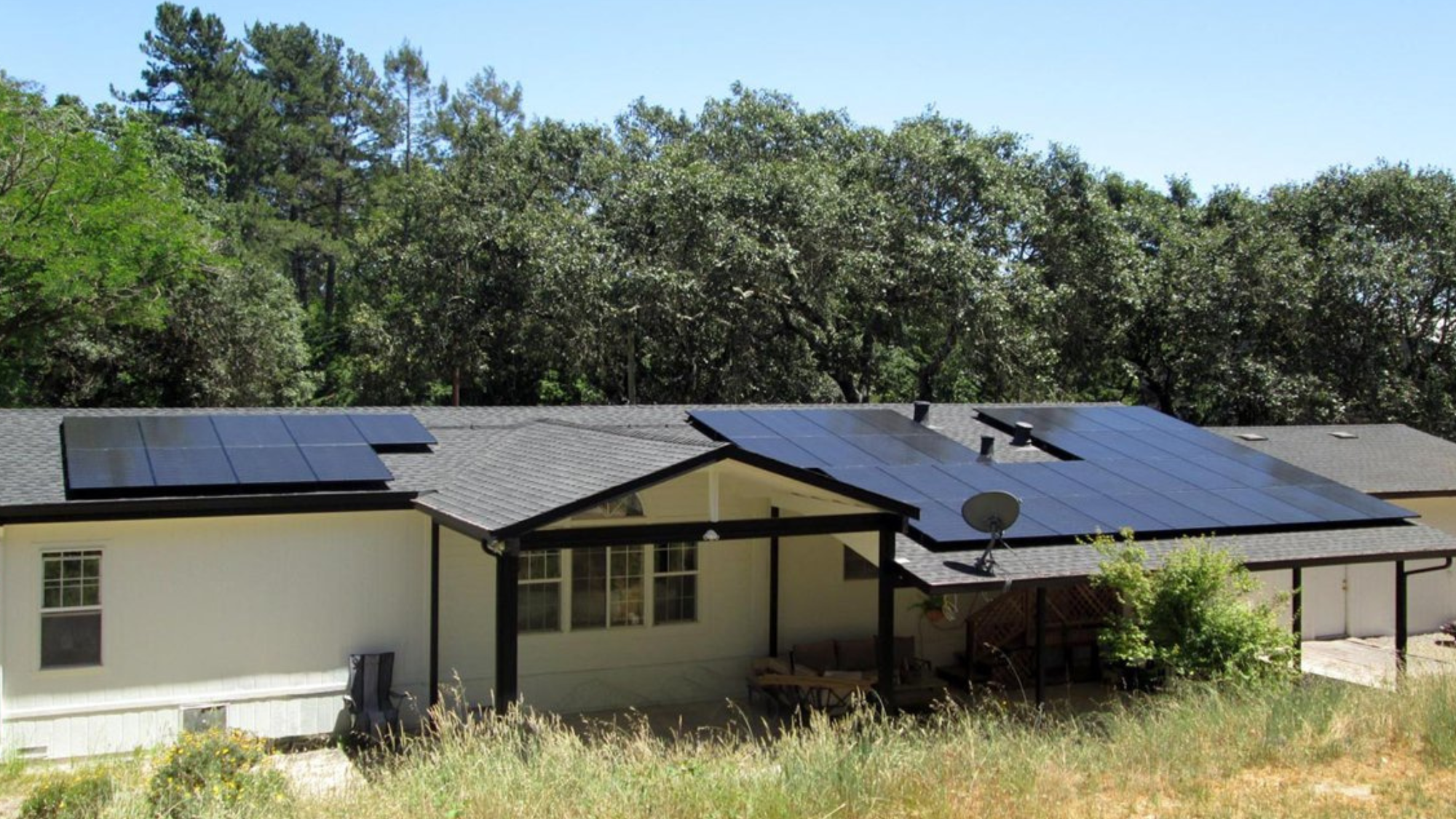
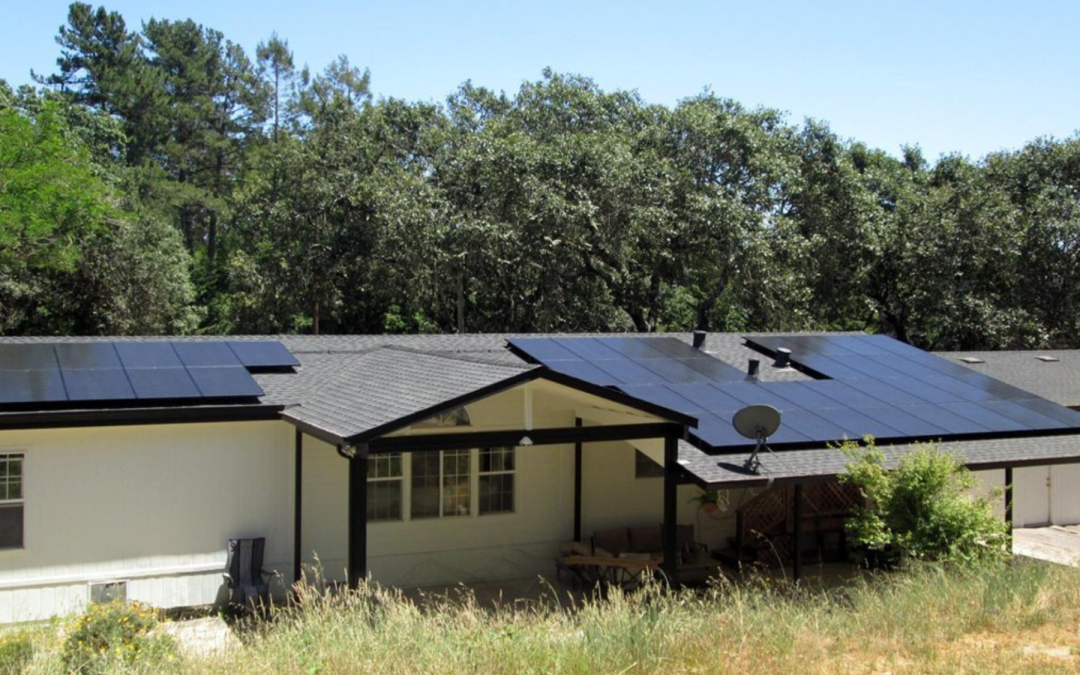
A white home with black trim with solar panels installed on the roof near oak trees.

If you’re a Sonoma County homeowner watching the seasons shift, you might be wondering whether your solar panels are still pulling their weight now that the sun isn’t blasting down the way it did in July. 

Here’s the short answer: Yes, solar panels still work in winter, and in some ways they work harder than you’d think. Cold air actually helps photovoltaic cells perform, even though shorter days and more clouds mean your system produces less total energy than it does in summer. A well-designed residential solar installation in Santa Rosa accounts for that swing from the start, so your system keeps earning its place on your roof all year long. 

For a comprehensive breakdown of how winter weather and rain affect your system’s solar generation, keep reading. 

Key Takeaways

    • Solar panels don’t need heat to work. They need light, and cooler temperatures actually improve how efficiently each panel converts that light into electricity. 
    • Winter production dips mainly because of shorter days and more cloud cover, not because the panels themselves stop working. 
    • Sonoma County’s mild, low-snow winters mean local systems keep producing through the rainy season. 
    • A system sized around your full year of usage data, not just your sunniest months, already has winter built into the math. 
    • Pairing solar with battery storage matters more in winter, when storms are more likely to knock out grid power. 
    • Local design experience, not just national averages, is what makes a residential solar installation in Santa Rosa perform the way it’s supposed to. 

What Affects Panel Performance in Winter?

Cooler Temperatures Help, Not Hurt

Solar panels are heat-sensitive in the opposite direction most people expect. As panels heat up on a scorching summer afternoon, their electrical output drops. Cooler winter air keeps panels running closer to their rated efficiency, so on a clear, cold day, panels can convert sunlight into electricity more effectively than they do in August heat. 

Local Note: Sonoma County’s mild winters work in your favor here. You get the efficiency benefit of cooler air without the deep freezes or heavy snowfall that create problems in much colder climates. 

Shorter Days Mean Fewer Sun Hours 

This is the real driver behind lower winter output. Fewer daylight hours means fewer hours of production, regardless of how efficient each panel is. Even though a cool spring morning that pairs a cooler temperature with bright sun can produce the most energy, the system will produce less overall in spring than in summer because there are more daylight hours in summer. 

Rain and Cloud Cover 

Cloudy days reduce direct sunlight, which lowers production, though diffused light still generates some power. Rain isn’t a problem for the equipment. Panels are built to handle wet weather, and a good rinse can clear off any dust that’s built up over the dry months. 

Winter Storms and Power Outages 

Winter storms are a common cause of unplanned outages in Sonoma County. This is where battery storage earns its keep. A home backup battery paired with your solar system keeps essential circuits running automatically during an outage, without the noise, fuel, maintenance, noxious fumes, or manual startup a generator requires. 

Residential Solar Installation in Santa Rosa: What to Expect This Winter 

Sonoma County isn’t one climate. Cloverdale sees different weather patterns than Bodega Bay, and Santa Rosa sits somewhere in between, which is why it’s helpful to work with local solar crews that know the area. 

    • Santa Rosa winters bring rain and cloud cover but very little snow, so production dips are gradual, not a hard shutoff. 
    • Roof angle and orientation affect how much of that lower winter sun your panels actually catch. 
    • Local permitting and inspection timelines can shift slightly during the rainy season. 

Why Synergy Solar Is the Right Partner This Winter 

Sizing a system that performs well in every season takes more than a generic formula. Synergy Solar designs around Sonoma County’s specific conditions, including its microclimates. 

    • Every proposal starts with an in-person site visit, not a satellite image or a phone estimate. 
    • Design, permitting, and electrical work are handled in-house under Synergy’s C46 and C10 licenses, with no subcontracting. 
    • Synergy continues monitoring your system after installation and flags any performance issues, seasonal or otherwise. 

Get Your System Ready Before the Rain Sets In 

Winter doesn’t slow solar down the way many homeowners assume, but it’s still a good season to make sure your system, or your plans for a new one, is ready for it. If you’re considering a residential solar installation in Santa Rosa, Synergy Solar is ready to help. 

Call Synergy Solar Today for Solar Installation Service!

📞 Call Synergy Solar: (707) 244-7300

🌐 Contact Us Online

Frequently Asked Questions

Do solar panels stop working when it's cold outside?

No. Panels need light, not heat, to generate electricity. Cold weather doesn’t stop production, and it can improve panel efficiency compared to hot summer days. 

How much less power do panels produce in winter?

It varies by home, roof angle, and shading, which is why Synergy sizes every system around a full year of your actual utility usage data and estimated solar production. 

Does rain damage solar panels?

No. Panels are built to handle wet weather, and rain can help by rinsing off dust that collects during the dry months. 

What about snow?

Sonoma County rarely sees snow accumulation heavy enough to affect solar production. When it happens, panels are typically angled enough that light snow clears on its own. 

Is winter a bad time to install solar?

Not necessarily. Permitting and inspection timelines can shift slightly during the rainy season, but installation can happen year-round with the right planning. 

Should I add a battery if I'm worried about winter storm outages?

It’s worth considering. A home backup battery keeps essential circuits running automatically during a storm-related outage, without the fuel or manual startup a generator needs. 

How do I know if my roof gets enough winter sun?

That’s what an in-person site visit is for. Synergy evaluates your roof’s angle, orientation, and any seasonal shading before recommending a system size. 
Exciting News!! NEW ways to expand your solar system WITHOUT affecting your Net Energy Metering (NEM)

Exciting News!! NEW ways to expand your solar system WITHOUT affecting your Net Energy Metering (NEM)

New Options for Adding Non-Export Solar to an Existing NEM System

The California Public Utilities Commission and the three major Investor-Owned Utilities recently approved new ways to add a “Non-Export” system to an existing NEM system. PG&E, Southern California Edison, and San Diego Gas & Electric now allow several methods that keep your current NEM status intact when adding new solar capacity. These changes create more flexibility for homeowners who want to increase on-site solar use without sending power to the grid.

Why System Expansion Usually Ends NEM

If you expand a NEM system by 10 percent or 1 kW, you lose your original NEM status. Utilities created this limit to allow simple maintenance, not system growth. Your NEM program determines how the utility credits your exported solar. Older NEM versions credit far better than newer ones. Your NEM agreement lasts 20 years from the date you received Permission to Operate. The newest tariff, called NBT, offers much lower export credits.

When Losing NEM Might Still Make Sense

In some situations, expanding your system and losing NEM may still help. You might benefit if your current system leaves you with high true-up bills and/or plan to increase electric usage. Many people add EVs or switch from gas to electric appliances. These changes can quickly outgrow your system’s original size. A detailed analysis helps determine whether expansion under NBT is worthwhile.

Adding a Non-Export System as an Alternative

You can also add a “Non-Export” system, which protects your existing NEM status. Utilities now allow several ways to meet non-export rules. Two methods use a Power Control System that manages power flow through software. Another method uses a separate utility meter called a Net Generation Output Meter, or NGOM. These options keep new solar from exporting to the grid.

Why Pairing Non-Export Solar With Storage Helps

Most homeowners gain more value by pairing a non-export system with energy storage. Batteries store excess solar instead of sending it to the grid. Storage also boosts resilience and reduces exposure to rising utility rates. Designing these systems requires careful analysis to maximize performance.

Adding Storage Alone Will Not Affect NEM

Adding only an energy storage system does not change your existing NEM status. You can install storage to gain backup power or extra savings without risking your current agreement.

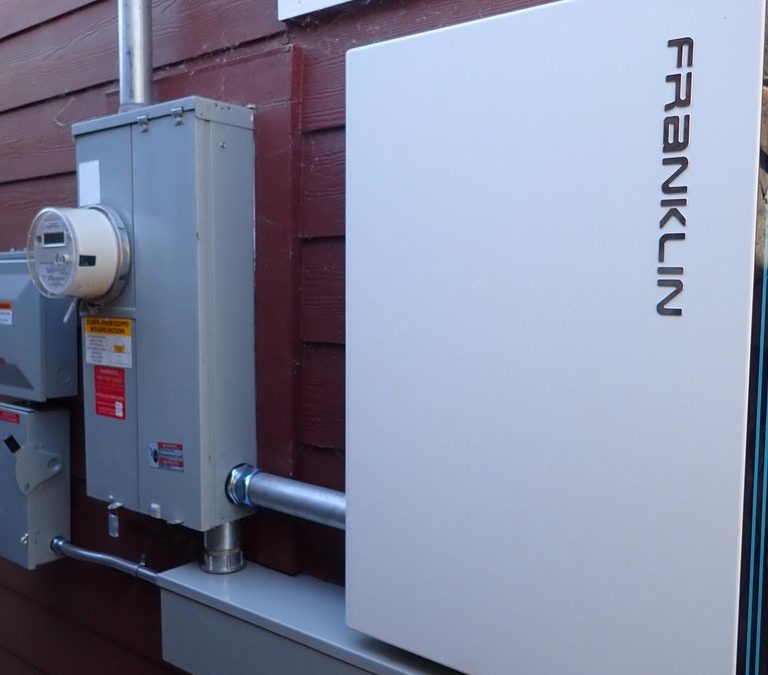
Batteries on Wall

Drone Photo of Solar Panels on roof

Why Energy Storage Is Important

The Importance of Energy Storage

Synergy Solar has over 20 years of experience installing solar and want to continue to install solar in a responsible way that supports the grid. Long ago, we anticipated the utility changes and started installing Energy Storage Systems (ESS), aka. batteries, with all our solar installations with few exceptions. Here are some of the reasons ESS are so important.

Grid Strengthening

As PG&E “strengthens” the grid we are finding there are more power outages in places that had been having less. To reduce wildfires and other safety issues due to downed power lines PG&E has been installing safety switches on the lines that quickly detect an issue such as a tree branch falling on a line. These switches will disconnect power much like the Ground Fault Circuit Interrupter (GFCI) receptacles in your kitchen or bathroom. This makes things safer but increases power outages. With many folks working remotely, having medical needs that require power or just like to keep the refrigerator on, ESS have become the best clean, quiet backup power source.

How Batteries Support the Power Grid

We are lucky to live where many households have adopted solar. This is good but many folks are out of the house midday when their solar is producing the most energy and a lot of solar gets exported to the grid. This causes issues for the grid, especially during high solar production times of the year. When you use an ESS to store and then self-consume your solar energy it reduces expensive, peak-priced electricity consumption and peak strain on the grid. The following day your ESS will recharge from your solar, which reduces the strain on the grid that spinning the meter backwards with excess solar causes. We all know too well that the grid needs help, and having energy storage as part of your system is a great way to contribute. Helping the grid be more stable and reliable benefits everyone as we move into the energy future.

Net Billing Tariff (NBT) vs. Net Energy Metering (NEM)

NBT and NEM define how you’re compensated for solar energy exported to the grid. Under today’s NBT rules, solar without storage rarely makes financial sense. The big change is how utilities credit the energy you “spin” backwards. Under NEM 1 and NEM 2, credits were worth the same as the energy you bought, so systems were designed to overproduce in summer, bank credits, and use them in winter, often resulting in a minimal annual true-up.

Now, exported energy is credited at much lower values for most of the year, so good system design focuses on minimizing exports. Adding energy storage lets you store excess solar during the day and use it during peak times and after sunset. The system manages this automatically. Batteries aren’t sized to carry all your summer surplus into winter, so some exporting will still occur, but far less than with solar alone.

What’s the difference between a backup battery and a savings battery?

Leading the Move to Energy Storage

Synergy leads the industry in solar battery systems and has installed them for over a decade. We stay ahead by adopting new battery technology as it develops. Batteries provide so much value that we stopped installing solar without storage in 2019. We still make rare exceptions, but storage has become the standard for most projects. This shift reflects rising utility rates, new tariffs, and the growing need for energy resilience. Synergy’s experience helps homeowners choose systems that fit their goals and protect their investment.

Utility Tariffs

Utilities use tariffs to determine how they credit exported solar power. The first tariff was NEM1 and the second was NEM2. New customers now use the Net Billing Tariff, called NBT. Homeowners who lose their original NEM status also move to NBT. These changing tariffs strongly affect solar savings. Batteries help reduce the impact of lower export rates under newer tariff structures. Understanding these rules helps homeowners make better decisions about storage.

Two Fundamental Designs

Battery systems follow two main designs and each design supports different goals. A backup battery powers selected loads when the grid fails. A savings battery stores excess solar and lowers your bill. Savings batteries discharge during expensive peak periods and at night. Under NEM1 and NEM2, savings were modest. Under NBT, savings batteries have become essential. They increase bill offset and shorten payback. A backup system under NBT needs a larger battery to handle outages and self-consumption. You can add backup ability later without changing your NEM or NBT status.

Understanding Battery Sizing

Battery sizing uses two ratings: kW and kWh. kW measures how much power a battery can deliver at once. kWh measures how long the battery can deliver that power. These ratings guide proper design choices. If you want more detail, we created a separate blog that explains these units that you can read here. Reviewing those basics can help you better understand the designs below.

Backup Battery Design

A backup battery system powers key loads during a grid outage. This design usually needs more equipment and a larger battery. It uses a transfer switch to isolate your home from the grid during outages. This protects utility workers and meets code requirements. We move essential circuits into a backup loads panel during installation. These circuits often include refrigeration, lighting, and internet. Most backup systems also support daily self-consumption. A backup reserve protects stored energy for outages. If you set a 70% reserve, the system cycles only 30% each day to save money and will always have 70% available for outages.

Meter Collars for Whole-Home Backup

New meter-collar products now support whole-home backup at a lower cost. They reduce extra equipment and installation labor. They also power more loads during outages. Some systems require more monitoring because more loads can run at once. Several manufacturers now offer smart controls. These controls automatically turn off large loads when the grid fails. This protects the battery and extends runtime during long outages.

Savings (Grid-Tied) Battery Design

A savings battery focuses on bill reduction instead of outage protection. It stores extra solar produced during the day and discharges during peak pricing. It also can run at night when solar is not available. Savings batteries do not require a transfer switch or a backup loads panel. Some systems, like Enphase, remove the transfer switch (system controller or meter collar) which reduces labor and material cost. Savings systems do not hold energy for outages. They often discharge down to 5% and use more capacity each day. This lets homeowners choose a smaller and more affordable battery.


What’s a kW and what’s a kWh? A good battery storage system design takes both into consideration.

Understanding kW and kWh in Battery Storage

Many people don’t understand the difference between kW and kWh, but the distinction matters. These two ratings appear on every battery system and help determine proper sizing.  A useful analogy using a car compares kW to engine horsepower and kWh to a fuel tank size or EV driving range. “Kilo” means one thousand, so one kilowatt equals one thousand watts and one kilowatt-hour is 1,000 watts used over an hours time.

Whats a kW

A kW rating measures power, which shows how much electricity a device or battery can deliver at one time. A 1,000-watt microwave needs 1 kW to operate. A battery’s kW rating determines what you can run at the same time during an outage. Batteries also include a surge rating in kW, which handles short bursts of extra power. Surge ratings matter when starting pumps or motors that need higher startup loads.

Whats a kWh 

A kWh measures energy used over time. A 100-watt bulb running for ten hours uses 1 kWh. A battery’s kWh rating shows how long it can supply power during an outage. This duration depends on which loads you use and how long they run. Your utility bills also track energy in kWh. Most home battery names use kWh as the main identifier. The Enphase 10C stores 10 kWh. Most systems allow stacking to increase total capacity as needed. Enphase 10C batteries can stack to 80 kWh. Some battery systems also increase power output (kW) as capacity (kWh) grows.