
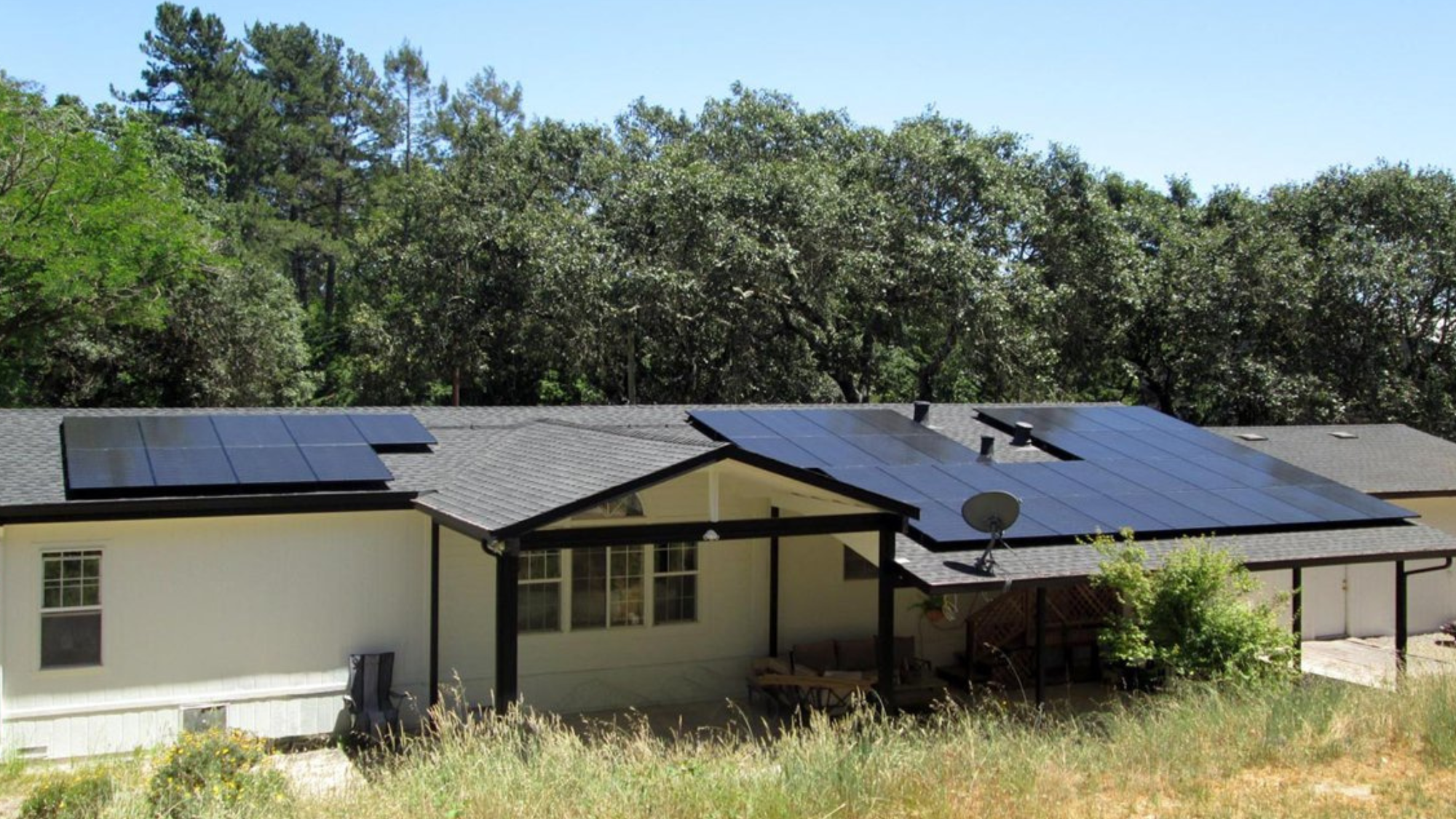
If you’re a Sonoma County homeowner watching the seasons shift, you might be wondering whether your solar panels are still pulling their weight now that the sun isn’t blasting down the way it did in July.
Here’s the short answer: Yes, solar panels still work in winter, and in some ways they work harder than you’d think. Cold air actually helps photovoltaic cells perform, even though shorter days and more clouds mean your system produces less total energy than it does in summer. A well-designed residential solar installation in Santa Rosa accounts for that swing from the start, so your system keeps earning its place on your roof all year long.
For a comprehensive breakdown of how winter weather and rain affect your system’s solar generation, keep reading.
Key Takeaways
-
- Solar panels don’t need heat to work. They need light, and cooler temperatures actually improve how efficiently each panel converts that light into electricity.
-
- Winter production dips mainly because of shorter days and more cloud cover, not because the panels themselves stop working.
-
- Sonoma County’s mild, low-snow winters mean local systems keep producing through the rainy season.
-
- A system sized around your full year of usage data, not just your sunniest months, already has winter built into the math.
-
- Pairing solar with battery storage matters more in winter, when storms are more likely to knock out grid power.
-
- Local design experience, not just national averages, is what makes a residential solar installation in Santa Rosa perform the way it’s supposed to.
What Affects Panel Performance in Winter?
Cooler Temperatures Help, Not Hurt
Solar panels are heat-sensitive in the opposite direction most people expect. As panels heat up on a scorching summer afternoon, their electrical output drops. Cooler winter air keeps panels running closer to their rated efficiency, so on a clear, cold day, panels can convert sunlight into electricity more effectively than they do in August heat.
Local Note: Sonoma County’s mild winters work in your favor here. You get the efficiency benefit of cooler air without the deep freezes or heavy snowfall that create problems in much colder climates.
Shorter Days Mean Fewer Sun Hours
This is the real driver behind lower winter output. Fewer daylight hours means fewer hours of production, regardless of how efficient each panel is. Even though a cool spring morning that pairs a cooler temperature with bright sun can produce the most energy, the system will produce less overall in spring than in summer because there are more daylight hours in summer.
Rain and Cloud Cover
Cloudy days reduce direct sunlight, which lowers production, though diffused light still generates some power. Rain isn’t a problem for the equipment. Panels are built to handle wet weather, and a good rinse can clear off any dust that’s built up over the dry months.
Winter Storms and Power Outages
Winter storms are a common cause of unplanned outages in Sonoma County. This is where battery storage earns its keep. A home backup battery paired with your solar system keeps essential circuits running automatically during an outage, without the noise, fuel, maintenance, noxious fumes, or manual startup a generator requires.
Residential Solar Installation in Santa Rosa: What to Expect This Winter
Sonoma County isn’t one climate. Cloverdale sees different weather patterns than Bodega Bay, and Santa Rosa sits somewhere in between, which is why it’s helpful to work with local solar crews that know the area.
-
- Santa Rosa winters bring rain and cloud cover but very little snow, so production dips are gradual, not a hard shutoff.
-
- Roof angle and orientation affect how much of that lower winter sun your panels actually catch.
-
- Local permitting and inspection timelines can shift slightly during the rainy season.
-
- A system sized using your actual PG&E or Sonoma Clean Power usage data already accounts for the lower-production months.
Why Synergy Solar Is the Right Partner This Winter
Sizing a system that performs well in every season takes more than a generic formula. Synergy Solar designs around Sonoma County’s specific conditions, including its microclimates.
-
- Owners Mike and Justin are personally involved in every project, from the first site visit through installation.
-
- Every proposal starts with an in-person site visit, not a satellite image or a phone estimate.
-
- Design, permitting, and electrical work are handled in-house under Synergy’s C46 and C10 licenses, with no subcontracting.
-
- Synergy continues monitoring your system after installation and flags any performance issues, seasonal or otherwise.
Get Your System Ready Before the Rain Sets In
Winter doesn’t slow solar down the way many homeowners assume, but it’s still a good season to make sure your system, or your plans for a new one, is ready for it. If you’re considering a residential solar installation in Santa Rosa, Synergy Solar is ready to help.
Call Synergy Solar Today for Solar Installation Service!
📞 Call Synergy Solar: (707) 244-7300
Frequently Asked Questions
Do solar panels stop working when it's cold outside?
No. Panels need light, not heat, to generate electricity. Cold weather doesn’t stop production, and it can improve panel efficiency compared to hot summer days.
How much less power do panels produce in winter?
It varies by home, roof angle, and shading, which is why Synergy sizes every system around a full year of your actual utility usage data and estimated solar production.
Does rain damage solar panels?
No. Panels are built to handle wet weather, and rain can help by rinsing off dust that collects during the dry months.
What about snow?
Sonoma County rarely sees snow accumulation heavy enough to affect solar production. When it happens, panels are typically angled enough that light snow clears on its own.
Is winter a bad time to install solar?
Not necessarily. Permitting and inspection timelines can shift slightly during the rainy season, but installation can happen year-round with the right planning.
Should I add a battery if I'm worried about winter storm outages?
It’s worth considering. A home backup battery keeps essential circuits running automatically during a storm-related outage, without the fuel or manual startup a generator needs.
How do I know if my roof gets enough winter sun?
That’s what an in-person site visit is for. Synergy evaluates your roof’s angle, orientation, and any seasonal shading before recommending a system size.