
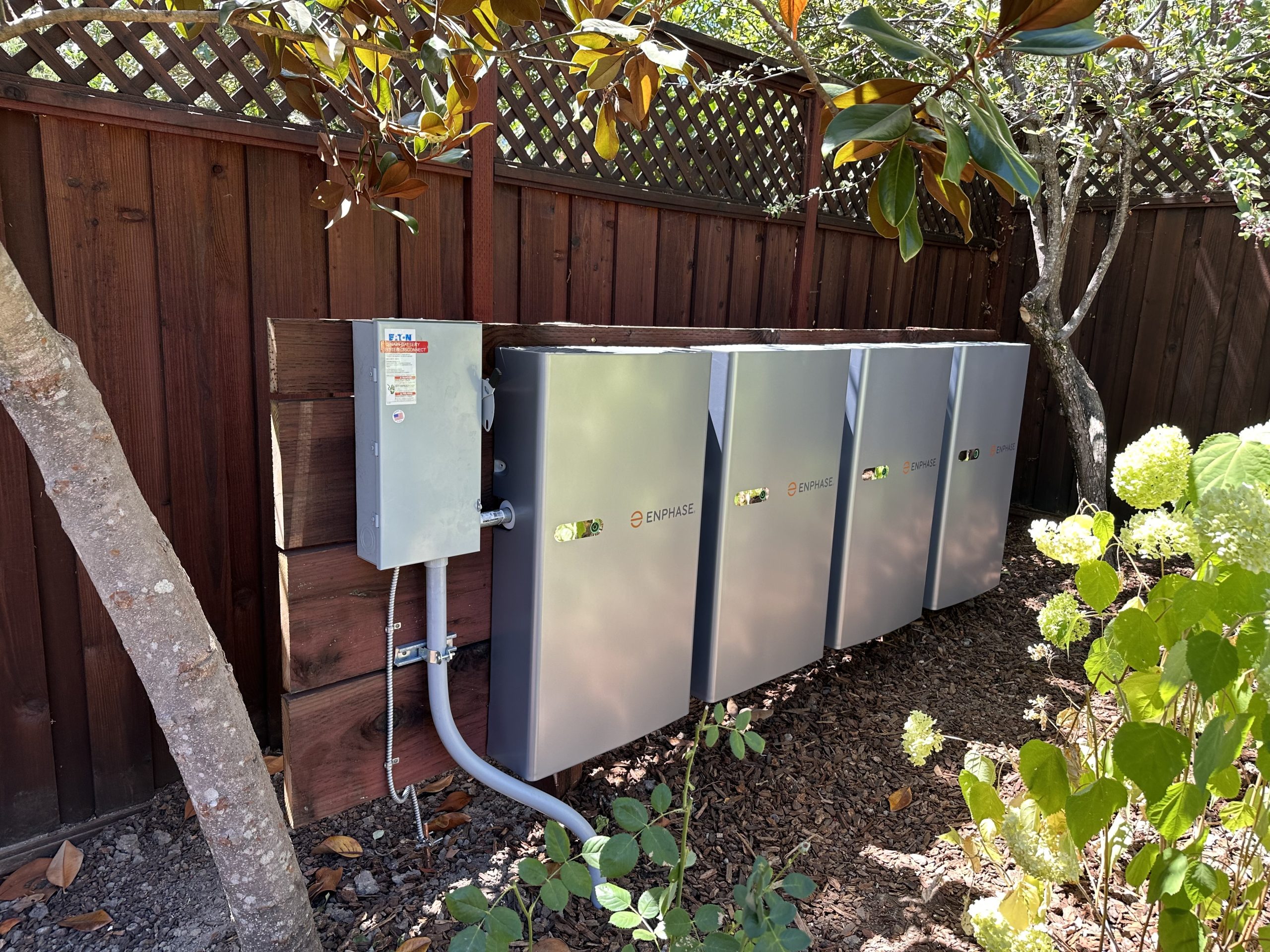
Testing Your Enphase Battery Backup System: A Step-by-Step Guide
In an age where energy independence and sustainability are increasingly important, having a reliable battery backup system is crucial for powering your home during outages and in emergencies. Enphase, a leader in renewable energy solutions, offers battery backup systems that provide seamless power continuity. To ensure your system’s functionality, periodic testing is essential. In this blog, we’ll guide you through the process of testing your Enphase battery backup system.
Why Test Your Enphase Battery Backup System?
Testing your Enphase battery backup system is crucial for several reasons:
- Performance Verification: Regular testing ensures that your battery system is operating as intended, storing, and releasing energy efficiently.
- Early Issue Detection: Testing can help identify any potential issues before they escalate, allowing for timely maintenance and preventing system downtime.
- Optimal Utilization: By understanding how to monitor and manage your battery system, you can make the most of the energy it stores, leading to potential cost savings.
Step 1: Safety First
Before you start, make sure to follow safety precautions. Familiarize yourself with your system’s user manual and locate the battery emergency shut-off switch in case you need to stop the test.
Step 2: Verify Battery Charge
Ensure that your Enphase battery backup system has enough charge to perform the test. It’s recommended to have at least 50% battery charge before testing. You can check the battery charge level through your Enphase Enlighten monitoring platform or the Enlighten app.
Step 3: Simulate a Power Outage
To test the functionality of your Enphase battery backup system, you’ll need to simulate a power outage. This can be done through the Enphase monitoring app or by switching off the main electrical supply to your home. In the app under the menu/settings/grid control there is a toggle button that says “go off grid” once that button is pressed the system should go off grid within about a minute. The preferred method to test the system, is to locate your main circuit breaker panel and turn off the main breaker which will mimic an actual outage and activate your battery backup system. Both are suitable for the test but the circuit breaker is more real world.
Step 4: Monitor Battery Performance
As you simulate the power outage, keep a close eye on your battery backup system’s performance. Your Enphase monitoring app should display real-time data, showcasing how much energy is being drawn from the battery and how long the system can sustain your essential loads.
Step 5: Time the Test
During the simulation, experiment with running your household on battery power for different time intervals, such as 30 minutes, an hour, or more. This exercise will enable you to assess the battery’s ability to support your energy requirements and identify any necessary adjustments during power outages. It will provide insights into the system’s durability and its suitability for serving as a backup power source, helping you gain a better understanding of its capabilities.
Step 6: Restore Power
When the test is complete, simply reconnect to the utility grid. If using the app’s Grid Control setting, switch back to normal operation. For manual users, restore power by turning the main breaker back on. Your system will return to regular operation and begin recharging the battery for future needs.
Step 7: Review the Results
Take a moment to review the data collected during the test. Did your Enphase battery backup system perform as expected? Did it provide power for the estimated duration? If you encounter any issues or notice discrepancies, consult your user manual, reach out to your installer, or Enphase customer support for guidance.
Step 8: Regular Testing
It’s important to conduct battery backup system tests regularly. Test your system’s performance during different seasons. Solar energy production and energy consumption can vary, so understanding these patterns ensures year-round reliability. Enphase recommends testing your system at least once every six months to ensure its continued reliability. Regular testing helps you identify any potential issues early and provides peace of mind knowing your backup system is ready when you need it most.
Conclusion
By following these steps, you can confidently test your Enphase battery backup system and ensure that it’s prepared to provide uninterrupted power during outages. Remember, a well-maintained battery backup system is an investment in your home’s energy resilience and sustainability.